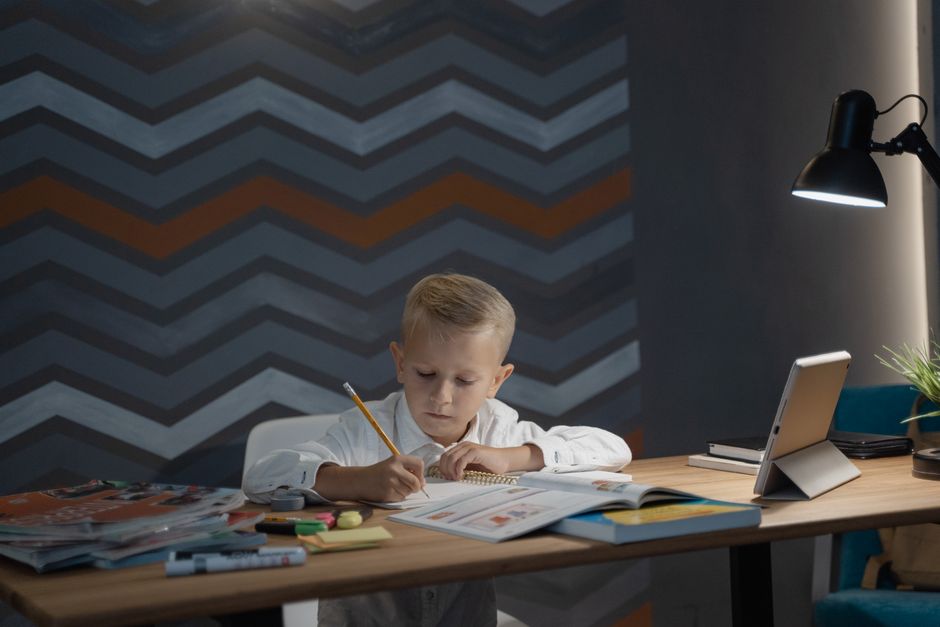
Creating an inspiring study space for children can significantly enhance their focus and enthusiasm for learning. As the back-to-school season of 2026 approaches, many parents are seeking innovative ways to design study areas that encourage productivity and creativity.
Belangrijkste punten
Personalize the study space to match your child’s interests and needs.
Utilize natural light and ergonomic furniture to boost concentration.
Incorporate organizational tools to help maintain order and productivity.
Invest in multifunctional furniture to maximize small spaces.
Involve your child in the decorating process to increase their engagement.
Designing the perfect study corner
The perfect study corner is one that reflects the individuality of your child while also fostering a conducive environment for learning. Start by evaluating the available space you have, keeping in mind that a well-illuminated area is essential for maintaining focus and reducing eye strain.
Consider the layout of your home and try to position the study desk near a window to let in plenty of natural light, which has been shown to improve concentration and mood. If a bright study space is required even during darker hours, remember to incorporate quality lighting solutions, such as adjustable desk lamps.
Personalization is key
Afbeelding: mouad bouallayel / Unsplash
Engage your child in the creation of their study space by letting them contribute ideas and preferences. Whether it’s choosing their favorite colors or selecting themed decorations, personalization can make the difference between a mundane corner and an exciting personal nook.
Allowing children to express their creativity through their study area, for example by incorporating elements from Geboortebord tweeling voor op het raam, fosters a sense of ownership and can inspire them to use their study nook more proactively.
Ergonomics and comfort
Ergonomically-designed furniture plays a significant role in creating a productive study space. Ensure that the desk and chair are suited to your child’s height and that posture is considered to avoid discomfort during extended study sessions.
It’s worth investing in an adjustable chair that provides adequate back support, and a desk that can accommodate needed supplies, such as stationery, books, and a computer or tablet. Ergonomics aren’t just about furniture; consider the technology and ensure that screens are at eye level to prevent neck strain.
Organizational tools and tech
Afbeelding: Tima Miroshnichenko / Pexels
Organization is crucial for maintaining a clutter-free and efficient study area. Use shelves, desk organizers, and bulletin boards to keep materials tidy and accessible. Encourage your child to establish a routine for tidying up their study area after use.
Don’t overlook the importance of technology in a modern study space. Equip your child’s desk with essential tech tools while ensuring they are used responsibly and do not cause distractions from study goals.
Decorating and aesthetics
Decor plays a pivotal role in the ambiance of a study space. Opt for colors and themes that appeal to your child’s tastes but also consider principles of color psychology. For example, blues and greens are known to induce tranquility, which can aid concentration.
Utilize the creative potential of wallpaper or wall decals as seen in Opvallende voorjaarspatronen: gebruik van botanische prints in je interieur. Plants can also add a vibrant touch to the study nook, enhance air quality, and improve mood. Combine these decorative elements with practical items such as clocks and calendars to maintain a balance of aesthetics and functionality.
Multifunctional furniture for small spaces
Afbeelding: StockSnap / Pixabay
Maximizing space efficiency is key, especially in smaller homes or rooms. Consider furniture that serves multiple purposes, such as a convertible desk that doubles as a workspace and storage unit. This not only saves space but also maintains organization.
Such multifunctional pieces can be a godsend, as they allow for flexibility and creativity in spatial arrangement. This setup can be further enhanced by incorporating clever storage solutions like under-desk use or shelving, maximizing the available area for study purposes without overcrowding the space.
Final touches
With all the main components in place, it’s time to focus on the final details that can make the study space more inviting. Personal touches like family photos, or small artworks can provide emotional comfort and motivation.
Updating aspects of the room with refreshing ideas, such as those found in Chic Views: Fresh Window Dressing Ideas, can also breathe new life into the area, providing both function and a stylish flair that suits your child’s evolving tastes.
Veelgestelde vragen
How can I engage my child in designing their study space?
Involve them in choosing colors, themes, and accessories. This not only expresses their personality but also increases their interest in using the space.
What are essential organizational tools for a child’s study corner?
Use shelves, desk organizers, and bulletin boards. These tools help keep materials tidy and ensure everything your child might need is easily accessible.
Are plants beneficial in a study area?
Yes, plants can improve air quality and enhance the aesthetic of the space. They also provide a calming influence, which can help with concentration.
Why is ergonomic furniture important in a child’s study space?
Proper ergonomic furniture helps maintain good posture and prevents discomfort, making it easier for your child to focus on studying for longer periods.
Inspire learning today
Creating an inspiring study corner for your child is not just about aesthetics but also about fostering a love for learning. This involves a harmonious blend of personalization, functionality, and creativity. By investing time and thought into your child’s study space, you’ll help cultivate an environment that supports lifelong learning and success.